

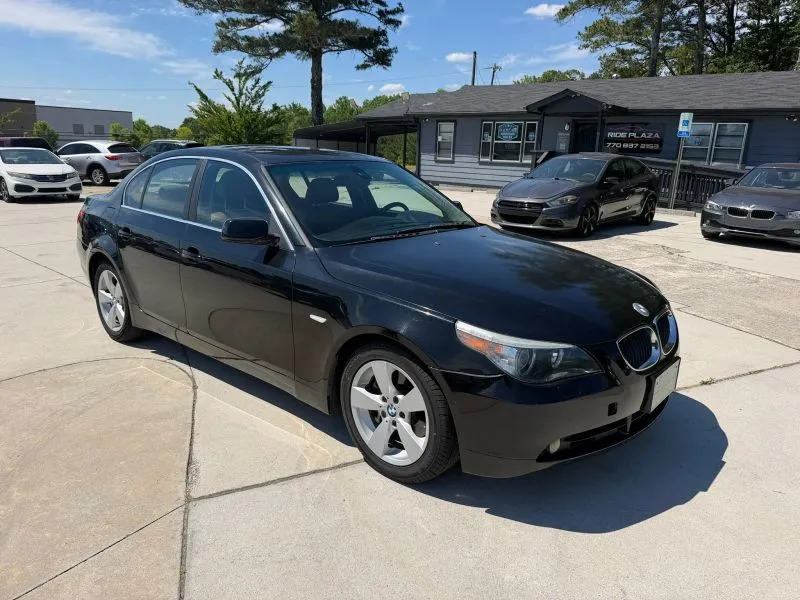
A family car has to do more than look roomy in a listing. Car seats, school bags, groceries, sports equipment, and long days of errands expose practical problems that are easy to miss during a quick walk around the lot.
That is why family buyers benefit from testing the ordinary details before discussing price. Door openings, rear-seat access, cargo shape, climate control, and visibility can matter more over time than a feature that looked impressive online.
Bring the Family Needs Into the Search
People comparing buy here pay here dealerships should know what the vehicle must carry on a normal week. Count regular passengers, not only the maximum number of seats, and think about whether adults actually fit comfortably in the back.
If child seats are part of the household, check how easy it is to reach the anchors and whether the front seats still have enough room once the seats are installed. A large-looking vehicle can still have awkward packaging.
Cargo Space Needs a Real-World Test
Cargo numbers are useful, but shape matters. A tall stroller, folded sports equipment, or several grocery bags may fit differently in two vehicles with similar listed capacity.
If possible, bring measurements of the largest items you carry regularly. Pay attention to the height of the loading floor and whether the rear seats fold in a way that is actually useful.
Check Rear Climate and Everyday Controls
Families often focus on front-seat comfort during the test drive, while passengers spend just as much time in the rear. Check vents, windows, door handles, charging points, and any climate controls available in the back.
Small conveniences become more noticeable during long trips. If children cannot reach a vent or adults feel cramped in the second row, the problem will not improve after purchase.
Do the Parking-Lot Test
When visiting car lots near me, try parking the vehicle rather than only driving it on open roads. School pickups, grocery stores, and crowded lots are where size and visibility become obvious.
Back up, make a tight turn, and check how much you can see around the vehicle. A larger SUV may offer useful space, but it should still feel manageable to the person who will drive it most often.
Look at Safety Features Without Assuming They All Work
Used vehicles may have backup cameras, parking sensors, blind-spot systems, or other driver aids. Test the features that are listed rather than assuming every light and sensor works correctly.
These systems can be helpful, but they should support good visibility rather than compensate for a vehicle that feels difficult to judge. The basic driving position still matters.
Think About Family Running Costs
A larger vehicle may use more fuel, require more expensive tires, or cost more to insure. Those differences may be worth it for the space, but they should be understood before the purchase.
Get an insurance quote and estimate weekly fuel use using the family’s actual driving. A car that fits the passengers but strains the monthly budget is not a comfortable family solution.
Inspect Wear Where Families Use It Most
Rear seats, door panels, cargo floors, cup holders, and seat mechanisms can show how a vehicle was used. Heavy wear is not automatically a reason to walk away, but it can help explain the car’s history.
Make sure folding seats lock properly, doors open smoothly, and cargo-area trim is secure. These are simple checks that can uncover annoyances before they become yours.
Check the Small Storage Spaces Too
Families use more than the cargo area. Door pockets, cup holders, center-console space, seatback pockets, and places for phones or small bags can make daily trips much easier.
Sit in each row and notice where ordinary items would go. These details will never appear as the headline feature in a listing, but they can affect how organized the vehicle feels every single day.
Conclusion
A good family used car earns its value in ordinary moments: loading bags, buckling children in, parking at school, and keeping everyone comfortable on a long drive. Those practical checks deserve as much attention as mileage and price.
Families who want to compare pre-owned vehicles and financing options can browse rideplaza.com. Testing the way a car will actually be used makes it easier to choose space that helps rather than simply buying the biggest vehicle available.