

Turn Uncertainty Into a Clear Decision Process
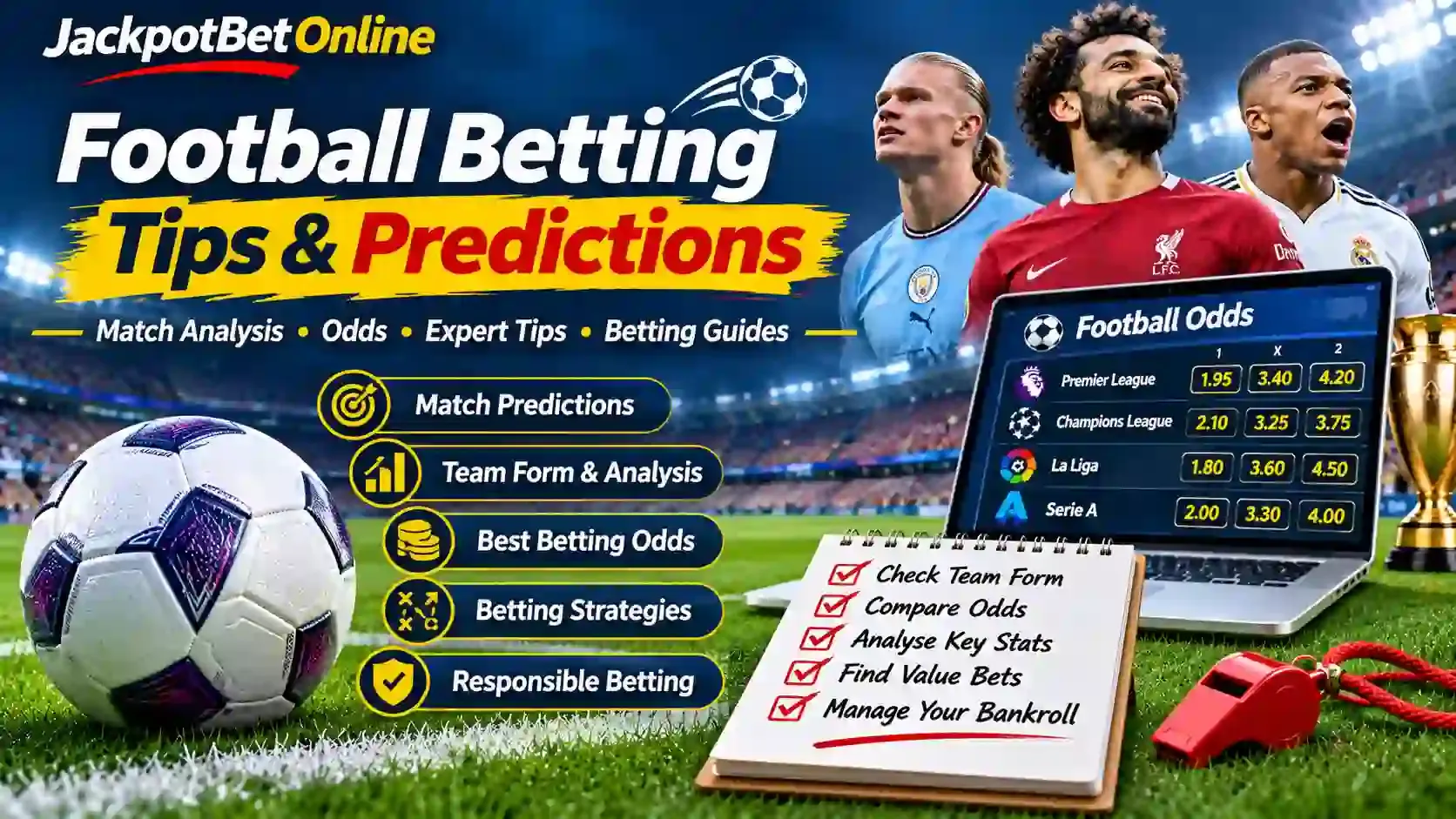
Football is inherently unpredictable, so the biggest problem with many betting approaches is that they skip the decision process and chase outcomes. A smart strategy starts before you pick a market by defining what information you will trust. That means looking at team quality through Football betting tips and predictions a mix of form, style, and matchup context rather than relying on one headline result.
Begin by separating what you can measure from what you can only guess. Recent form matters, but you should confirm whether the form reflects consistent attacking patterns or just short-term variance. Home and away splits also help, but only when you connect them to how teams actually play in those settings. If a team’s results improve at home because they create more chances and control tempo, that’s useful signal; if it’s simply a one-off run, it’s weaker signal.
Use Match Data to Find Value, Not Just Favorites
The next problem bettors face is comparing odds without understanding why they moved. Bookmakers price matches using models built from historical results, market movement, and statistical inputs, but those prices are still assumptions. Your job is to check whether the assumptions match the reality you see in the matchup. When you compare betting odds across multiple providers, you can spot mispricings that come from late news, public sentiment, or model blind spots.
A practical way to evaluate a fixture is to examine how both teams generate and defend chances. Look at whether the stronger side consistently creates quality looks, and whether the opponent has defensive vulnerabilities that match that threat. Head-to-head can be informative, but it should never override current tactical fit, injuries, and lineup roles. If a matchup repeatedly pressures one side’s weak flank or exploits the same midfield space, that pattern can support more confident predictions.
Pick the Right Markets Using a Problem-Solution Mindset
Even when your analysis is solid, betting can fail if you choose markets that don’t match your confidence. Many bettors try to force a single “all-or-nothing” bet when the data actually supports a probability range. For example, if both teams are likely to score but one side might control the game, “both teams to score” or a goals market can reflect that nuance better than a rigid win-or-lose wager. The solution is to align market selection with the exact problem you’re trying to solve: uncertainty about winners, uncertainty about goals, or uncertainty about margin.
Different markets reward different types of thinking. Match winner (1X2) suits clear favorites backed by multiple signals, while double chance can reduce variance when you see a team’s overall floor but not enough edge for a direct win. Over/under totals help when you have strong evidence about pace, shot volume, and defensive structure. Asian handicaps and correct score bets can be useful for bettors who model margins carefully, but they require more discipline because small changes in form or lineup can swing outcomes.
Accumulator betting is another area where bettors often face a mismatch between ambition and risk. If your analysis is fragmented or based on separate assumptions, parlays can magnify errors until the slip feels like gambling rather than strategy. A better approach is to build smaller, more coherent combinations where each leg is supported by a specific tactical reason. If one leg depends on a guess, replace it with a market that matches your evidence level.
Manage Risk with Lineups, Injuries, and Tactical Context
Injuries and suspensions are obvious factors, but the deeper issue is that bettors treat them as generic news instead of understanding lineup impact. A missing fullback can affect defensive shape, press triggers, and even set-piece quality, which then changes how likely certain goal scenarios are. Likewise, a suspension to a key playmaker can reduce chance creation and shift a team from direct attacks to slower build-up.
Pay attention to tactical approach and match dynamics, because football outcomes are often shaped by who controls the “middle third” and how quickly chances convert. Teams with high pressing can create value in goals markets if they face opponents that struggle under pressure. Meanwhile, sides that play deep and counter may reduce goal volume, making under goals or tighter handicap lines more logical when the matchup supports it. Even if two teams have similar overall quality, their tactical interaction can tilt the probability distribution dramatically.
Finally, build a risk plan before placing bets. Decide whether you are aiming for short-term variance reduction or longer-term expectation. Use stake sizing to protect your bankroll, and avoid chasing losses by doubling quickly after a setback. If the evidence is thin, choose a calmer market or pass entirely. Responsible betting is not only ethical; it also improves decision quality because it prevents emotional picks from replacing analysis.
Conclusion
Football betting succeeds when you treat each bet as a structured problem: identify the information that matters, measure it consistently, and choose a market that fits your confidence. Instead of chasing headlines or relying on a single statistic, combine form, matchup logic, lineup impact, and market value into a clear decision. This approach reduces the common failure points that come from misunderstanding odds and overestimating certainty. For readers seeking guidance, Jackpot Bet Online focuses on match previews, team analysis, and betting odds comparisons designed to help you evaluate risks before placing a wager. Use the available educational resources to understand how markets work and why prices differ. Even with strong analysis, results remain unpredictable, so the best solution is to bet responsibly, stay disciplined, and let your process—not your emotions—drive your choices.
1 comment
I like that this site takes a benefits-led approach to Football betting tips and predictions, focusing on the real drivers behind match outcomes instead of hype. The breakdown of team form, home/away trends, injuries, and tactical setup helps readers separate noise from signal before choosing a market. I also appreciate