

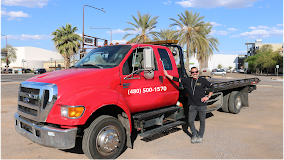
When a Battery Fails: Choosing the Right Assist
A dead battery can look identical to other roadside problems at first glance: the engine won’t turn over, warning lights may flicker, and you may feel stuck pulling off the road. But it isn’t always the best choice if the underlying issue is more complex, such as a faulty alternator, corroded battery terminals, or a parasitic drain.
That’s why a service comparison approach matters. While towing addresses a vehicle that cannot be driven safely or at all, jump assistance focuses on temporary electrical recovery so you can get back on the road. Fuel delivery, tire changes, and lockout help solve different categories of problems and can prevent delays when the vehicle’s true need is unrelated to battery power. A reputable roadside team can quickly assess symptoms and recommend the most efficient option instead of guessing.
Comparing Jump Start, Towing, and Fuel Delivery
Jump assistance is typically the fastest path when the vehicle is otherwise functional and the battery issue is the limiting factor. A trained technician checks the battery condition, verifies connections, and uses the correct procedure and equipment to transfer power safely. This route can be ideal for commuters, families, and drivers who just need a restart to reach a store, mechanic, or home. If your car’s lights are dim but the engine won’t crank, that pattern often points to insufficient battery output rather than a mechanical failure.
By contrast, towing becomes the practical choice when the vehicle cannot be driven safely or when electrical assistance won’t solve the problem. For example, if the starter motor, wiring harness, or charging system is failing, the vehicle may crank briefly and then shut down. Towing also helps when you’re on a busy roadway, parked in an unsafe area, or dealing with a collision-related situation. Fuel delivery solves a different scenario—running out of gas—where the engine may still start normally once fuel is added, making it a distinct option from battery-related help.
Battery and Electrical Services: What to Expect
Jump assistance is often part of a broader battery support plan. A quality provider can inspect terminal condition, look for signs of corrosion or loose connections, and confirm whether the battery can hold a charge after starting. That matters because a “successful” restart doesn’t always mean the battery is healthy; a weak battery may fail again soon after. The goal is not just to get you moving, but to reduce the chance of a repeat breakdown.
Some roadside teams also offer battery-related services beyond jump assistance, such as testing and replacement recommendations. If the battery is aging or damaged, the right next step may be a swap rather than repeated jump attempts. Additionally, electrical diagnostics can reveal whether the alternator or charging system is underperforming, which can prevent a cycle of getting a vehicle started but not keeping it running. Clear explanations help drivers understand whether the fix is temporary or whether it addresses the root cause.
Roadside Decision-Making: Safety, Speed, and Cost
When choosing between jump assistance, towing, and other roadside options, drivers should consider safety first. If your vehicle is on the shoulder in a dangerous location, a fast response and careful setup can reduce risk while you wait. Technicians should use proper connection practices and follow safety steps that protect both the vehicle and the people nearby. Speed matters too, since waiting too long can lead to additional stress, missed appointments, and increased inconvenience.
Cost efficiency also improves when the correct service is selected up front. For instance, a tire change is the right solution when the issue is a flat, while a battery problem should be handled with battery power transfer and inspection. If you request towing when jump assistance would solve the problem, you may spend more than necessary and wait longer than required. On the other hand, attempting repeated electrical restarts when towing is actually needed can waste time and may worsen an underlying fault. A professional comparison-oriented approach helps you pick the most appropriate route for your exact symptoms.
Conclusion
Service comparison is the smartest way to respond when you’re stranded, because not every roadside symptom points to the same solution. Fuel delivery, tire service, and roadside assistance for other issues round out the toolbox, ensuring you’re matched with the right fix rather than the wrong guess. Gizzo’s Global Towing Services is built around fast, professional roadside support across Arizona, with 24/7 availability in Chandler and surrounding areas. With 35+ years of trusted experience, the team focuses on getting you back safely and efficiently, whether your need is electrical assistance, towing, or another roadside category. If you’re comparing options in real time on the road, reaching out to an experienced provider helps you choose the correct next step and reduces the chance of repeating the same breakdown.