

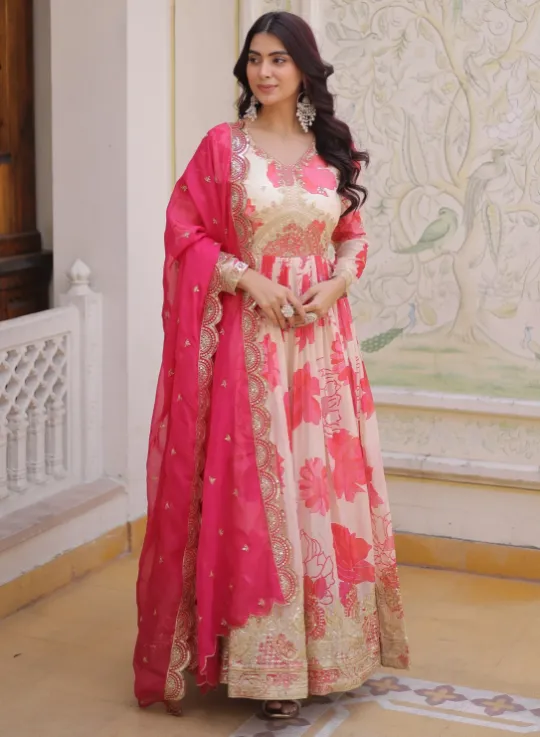
A stunning dress that catches your heel on the third step stops being stunning very quickly. When you shop for a long gown for women, the hem decides more about your evening than the colour ever will. Before you fall for a neckline or an embroidery pattern, picture where you will walk, climb and dance, because the hem has to survive all three of those tests without any help from you.
Start With the Floor, Not the Mirror
Most of us judge a gown while standing still in front of a shop mirror. Real venues bring marble lobbies, stone steps, grass lawns and polished wooden floors, and each surface treats fabric differently. Ask the organiser what the ground looks like before you decide on length, because that single answer shapes every other choice you make afterwards.
Polished floors let a hem glide, while lawns grab it and damp paths ruin it. For anything outdoors, a hem that skims the ankle bone is the safer pick. Indoor ballrooms forgive a little extra length, though you should still leave enough room to take a full stride without lifting the skirt at all. If you are unsure about the ground, carry a small pair of flats so you can walk to the car without damaging the hem.
How Fabric Weight Changes a Train
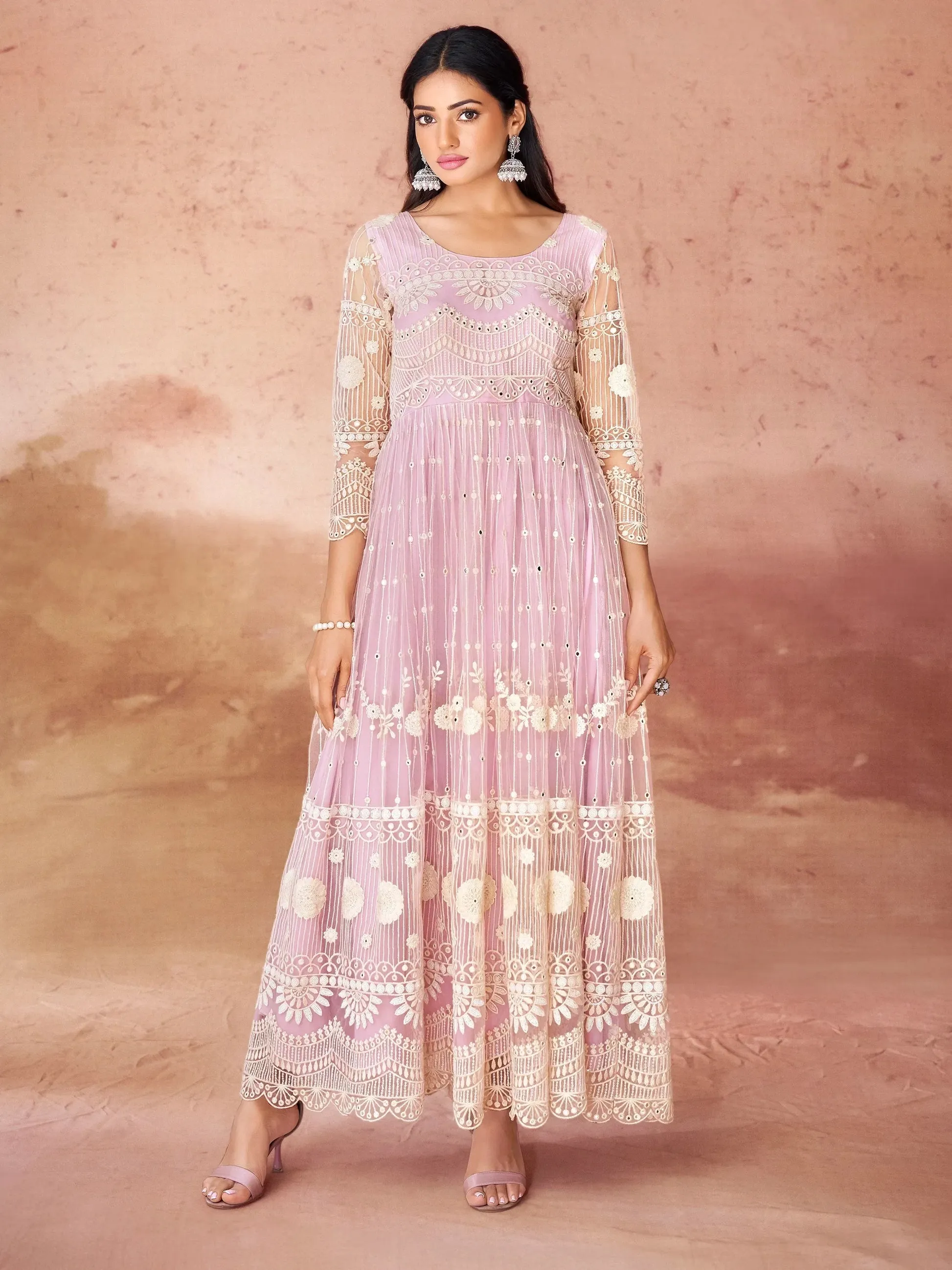
A heavy train follows you quietly but drags on your hips by the second hour. Light layers float and swing beautifully on a dance floor, yet they wrap around ankles at the worst possible moment. A well-made net gown often lands in the middle, since layered mesh holds its shape without carrying much weight at all.
Hold the fabric up and let it drop. If it settles slowly and keeps its volume, it will behave on stairs. If it clings to your legs or collapses flat, expect to wrestle with it all night, so consider a lining or a different weight before you commit to the purchase.
Three Hem Lengths Worth Knowing
Ankle length gives the safest walk and suits crowded rooms where people step close to you. Floor-grazing length looks graceful but depends on the right heel height to work properly. A puddled hem with a small train is the most dramatic of the three and usually needs a helper to lift it during entrances and exits.
Try each one in the exact shoes you plan to wear. Half an inch of heel changes how a gown falls, and a hem pinned around flat sandals will be trampled the moment you switch into heels. Always settle on your footwear before the tailor marks anything on the fabric.
Taking Stairs Without a Stumble
Gather the front of the skirt in one hand and lift just enough to see your toes. Keep the other hand free for the railing. Look ahead rather than down, since your eyes lead your posture, and your shoulders will stay relaxed instead of hunching forward over the steps in front of you.
Climb with a slightly shorter stride than usual and keep your knees soft. Going down, take the first step slowly and let the fabric settle before the next one. Rushing is what causes most slips, and a calm pace also looks far more elegant in photographs and videos.
Rehearse Before the Big Night
Wear the full outfit at home for twenty minutes. Walk through doorways, sit, stand, turn and dance a little. Anything that tugs, slips or tangles will reveal itself in that short test, which is far better than discovering the problem halfway through the first song of the evening. Ask someone to watch from a distance, since they will notice things you cannot feel.
Ask the tailor to stitch a few hidden loops inside the skirt so a train can hook onto your wrist for dancing. Small fixes like this turn a nervous evening into one where you stop thinking about your hem entirely and simply enjoy the music, the food and the people around you.
Photographs Versus Real Movement
A hem that looks perfect in a still frame can behave very differently once you start walking. Ask a friend to record a short clip of you moving across a room, then watch how the skirt travels. You will quickly see whether it trails neatly or swings out of control.
Keep this video in mind when your tailor makes final adjustments. A quarter inch shorter at the back often solves tripping without changing the overall look. Small trims like that are far easier to make before the event than to regret during it.