

A professional gel manicure does not need to feel slow in order to be careful. For nail technicians, the most efficient appointments are usually the ones where decisions are made early, products are organised and unnecessary corrections are avoided.
Small interruptions can quickly add extra time. Searching for tools, changing product choices midway through the service or filing away excess material can make an appointment longer than it needs to be. A better workflow focuses on preparation, control and consistency rather than simply trying to move faster.
Decide on the Result Before You Begin
One of the easiest ways to save time is to know exactly what type of manicure is being created before application starts.
A client may want a sheer nude finish, an opaque colour, a structured manicure or a simple everyday look. Each of these can require a different base, colour approach or amount of product.
Confirming the desired result first allows the technician to choose the right materials from the beginning. It also reduces the chance of adding unnecessary layers later.
A clear plan makes the service easier to manage and helps keep the overall nail profile balanced.
Keep Everyday Products Close
An organised workstation can make a noticeable difference during a busy day.
Products used in almost every appointment should be kept within easy reach, while less frequently used items can be stored elsewhere. This avoids repeated interruptions and helps the technician maintain a steady working rhythm.
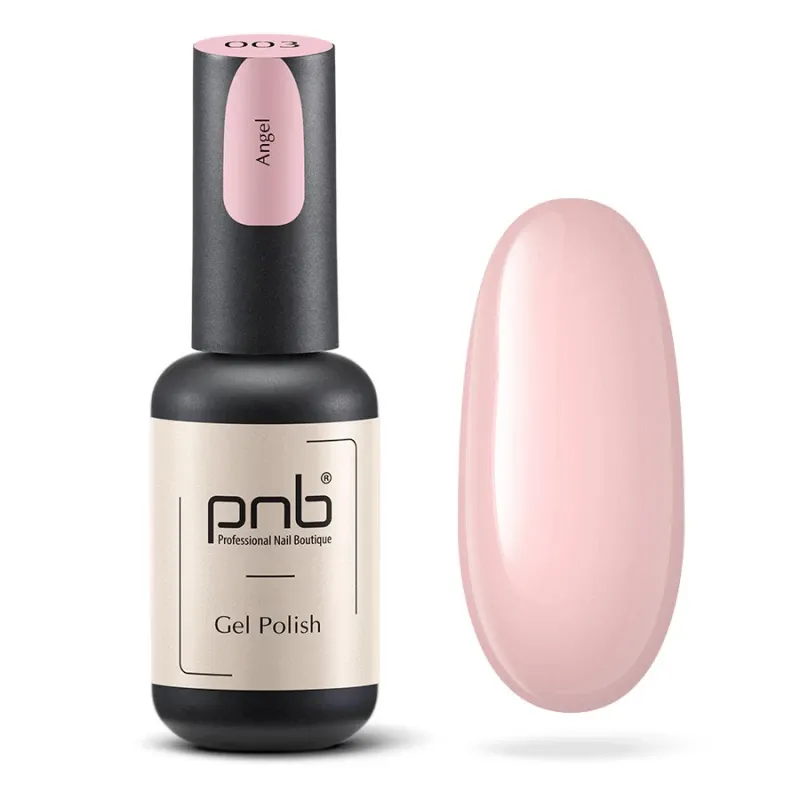
A product family such as Pnb Gel can provide access to different professional nail materials within the same range. For a technician, the real advantage comes from knowing which products are used most often and arranging the workspace around those choices.
Good organisation is simple, but it can prevent a surprising amount of wasted movement.
Reduce the Need for Corrective Filing
Filing is an important part of some services, but excessive filing often means too much product was applied earlier.
If a thick base layer is placed across the entire nail, the technician may later need to remove unnecessary bulk. This adds time and can make the service feel more complicated.
A better approach is to build structure only where it is needed. The technician can look at the nail from the side before curing and check whether the surface is smooth and proportional.
The more controlled the application is before curing, the less reshaping is likely to be required afterwards.
Match the Base to the Service
Using the same base in the same way for every client may seem efficient, but it can actually create more work.
A short, naturally even nail may need only a light foundation, while another nail may require more careful levelling. Choosing the product according to the service helps avoid unnecessary thickness.
The Uno Base Coat range offers professional base options that can be incorporated into different gel manicure routines. The key is to use the base according to the condition of the natural nail and the intended finish.
When the foundation is right from the beginning, later stages become easier to control.
Apply Colour in Controlled Layers
Colour application is another area where technicians can lose time by overworking the product.
A thick first coat may appear to save a step, but it can make the surface harder to control and add unwanted bulk. Thin, even coats usually preserve the shape underneath more effectively.
Different colours behave differently. Highly pigmented shades may cover quickly, while lighter or more translucent tones may require another layer.
The technician should respond to the actual formula rather than using the same amount of product every time.
This keeps the manicure cleaner and helps maintain a neat cuticle line.
Create a Consistent Tool Routine
Efficiency improves when tools are always kept in the same place.
Files, brushes, wipes and preparation products should have a predictable position so the technician does not need to stop and search for them during the service.
Some professionals also find it useful to arrange products in the order they are normally used. Preparation items can remain together, followed by bases, colours and finishing products.
At the end of the appointment, resetting the workstation creates a ready-to-use setup for the next client.
That small habit can make the working day feel more organised without changing the actual manicure technique.
Check the Nail Before Curing
A few seconds of inspection before curing can prevent several minutes of correction later.
Before the hand goes into the lamp, technicians can check the cuticle line, sidewalls and surface reflection. If the product has shifted or collected unevenly, it can still be adjusted.
This is especially useful with self-levelling products that may continue moving slightly after application.
Correcting the shape while the gel is still workable is usually quicker than filing and rebuilding it once cured.
Conclusion
Speed in a salon should come from familiarity and preparation, not from cutting corners. A technician who knows where each tool is, understands how each product behaves and checks the work before curing can move through an appointment with fewer interruptions and fewer corrections.
That kind of efficiency develops gradually as the workflow becomes more deliberate. kodiprofessional.com can form part of that process by giving professionals access to different systems they can evaluate and organise around their own working habits, rather than forcing every service into the same routine.