

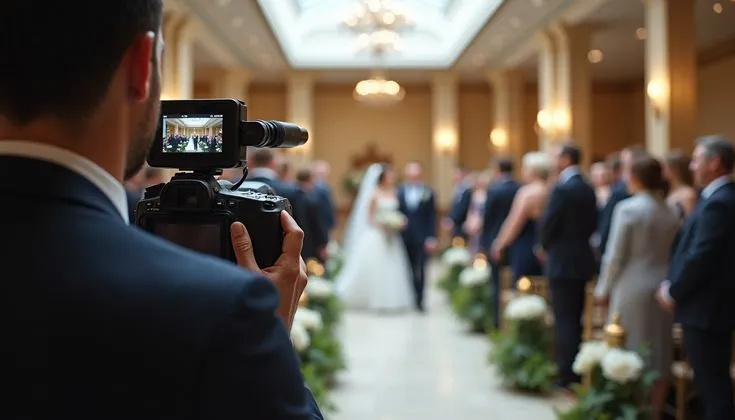
Phones have become part of nearly every celebration, but they can create a difficult choice during a wedding ceremony. Some couples love seeing guests capture their own memories, while others prefer everyone to put devices away and remain fully present. An unplugged ceremony is not automatically right for every wedding, yet it can noticeably change the atmosphere and the way professional photography and video are created. The decision works best when couples understand both the benefits and the trade-offs before setting a rule.
What an Unplugged Ceremony Actually Means
An unplugged ceremony usually asks guests not to take photographs or record video while the ceremony is happening. It does not necessarily mean phones must stay hidden throughout the entire wedding. Couples may still welcome guest photos during cocktail hour, dinner, and dancing.
The boundary can be strict or relaxed. Some ask for no devices from the processional through the recessional. Others only request that guests keep phones down during the entrance and vows. Clear communication matters more than the exact rule.
Protecting the View Down the Aisle
One practical reason couples choose an unplugged ceremony is visibility. When several guests lean into the aisle holding phones or tablets, they may block the couple’s view of each other and interfere with professional photographs.
For couples investing in Asheville Wedding Photography, a clear aisle gives the photographer more freedom to document the entrance, reactions, and ceremony without working around raised screens. It also helps preserve photographs in which guests appear emotionally engaged rather than looking through their devices.
This is especially useful in smaller ceremony spaces where photographers have fewer alternative angles.
Think About Video Differently
Video introduces another consideration because phones do more than appear in the frame. Guests may stand unexpectedly, move into an aisle, or hold devices high during vows and readings.
An Ashville Wedding Videographer usually needs consistent sightlines to capture movement and important reactions. A guest stepping forward at the wrong moment can block a camera during an entrance, ring exchange, or first kiss.
Fewer unexpected obstructions make it easier for the video team to record the ceremony naturally without repositioning constantly.
Decide Whether Guest Photos Matter to You
There is also a good argument for allowing phones. Guest photographs can be immediate, personal, and often humorous. They may capture perspectives that professional coverage does not include.
Couples who enjoy receiving those images should not feel pressured to ban devices simply because unplugged ceremonies are popular.
A compromise can work well. Guests might be invited to take one photograph after everyone is seated and then put their phones away. Another option is to restrict device use only during the processional, vows, and recessional.
Tell Guests Before the Ceremony Starts
If an unplugged policy matters, couples should communicate it clearly. A small sign can help, but an announcement from the officiant is usually harder to miss.
Wedding websites and invitations can also mention the request in advance, especially if the couple wants a completely phone-free ceremony. The wording does not need to sound strict. A simple explanation that the couple would like guests to be fully present is often enough.
Keep the Rule Focused
A phone-free ceremony does not need to become a phone-free wedding. Receptions often benefit from guest-created photographs and videos because the atmosphere is more informal.
Allowing devices later gives guests an opportunity to document themselves with friends and family. Keeping the restriction limited to the ceremony also makes the request easier to understand.
Consider the Ceremony Space
Venue layout should influence the decision. A wide outdoor ceremony with generous aisles gives professionals more room to adjust. A narrow indoor chapel or tightly arranged mountain venue may offer fewer options if guests step into the aisle.
Couples should consider how close guests will be to the processional path, whether the aisle is wide, and where professional cameras are likely to be positioned.
Conclusion
An unplugged ceremony is ultimately about atmosphere, not enforcing a trend. Removing phones can create cleaner sightlines, help guests focus on the ceremony, and give professional photo and video teams fewer obstacles during moments that cannot be repeated. At the same time, guest photographs can be meaningful, and some couples genuinely enjoy seeing the ceremony through their friends’ perspectives. The best approach is to decide what matters most, communicate it clearly, and keep the rule proportionate. When the choice reflects the couple’s priorities, it can support both the guest experience and the visual record of the wedding.